Second-Life Battery
Second-Life Battery
SECOND-LIFE BATTERY BUSINESS

Turning Retired EV Batteries intoEco-Friendly Energy Solutions

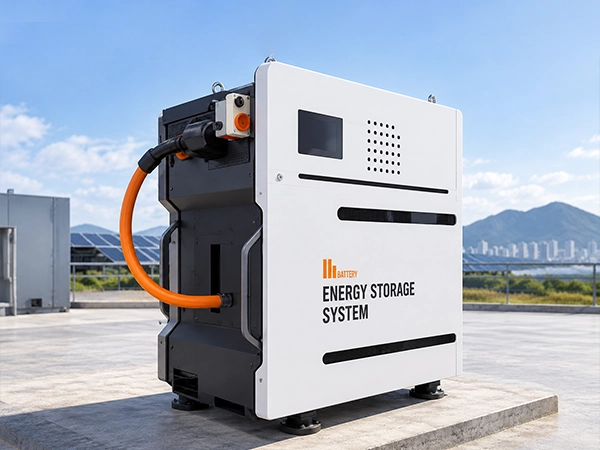
We reuse retired EV batteries to develop battery packs and charging and storage systems—energy solutions that contribute to environmental sustainability and carbon neutrality.


BUSINESS AREA

Key Business Areas

  • 01

    Electric Propulsion & Marine Control Systems

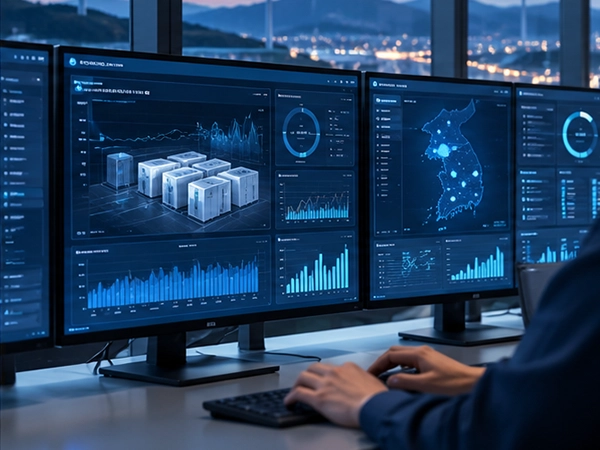
    We develop and deploy electric propulsion and vessel control systems for marine vessels and offshore equipment.
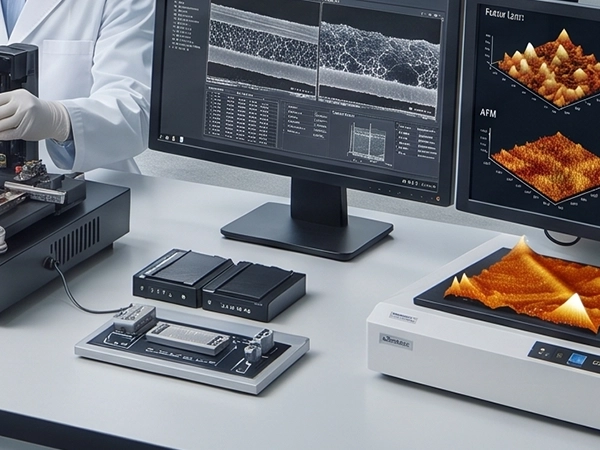
    • Marine vessels
    • Marine engines
    • Compensation systems
    • Control & monitoring
    • Remote operation systems
  • 02

    BMS

    We develop battery management systems (BMS), the core of stable energy operation, along with their key components.
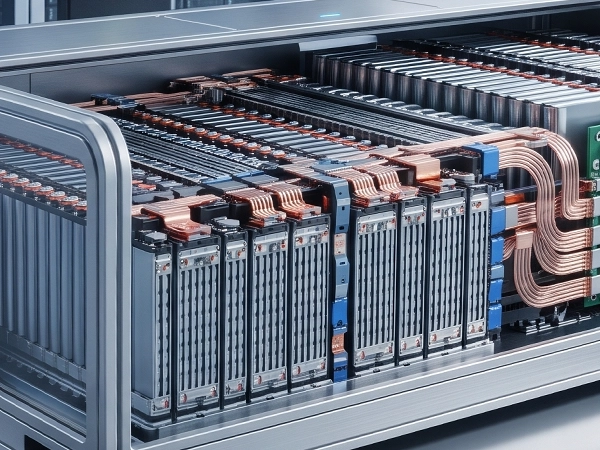
    • Battery Management System (BMS)
    • Battery packs
    • HMI
    • ADS(Active Display System)
  • 03

    Battery Pack Solutions

    We supply battery packs, systems, and peripherals tailored to each application.
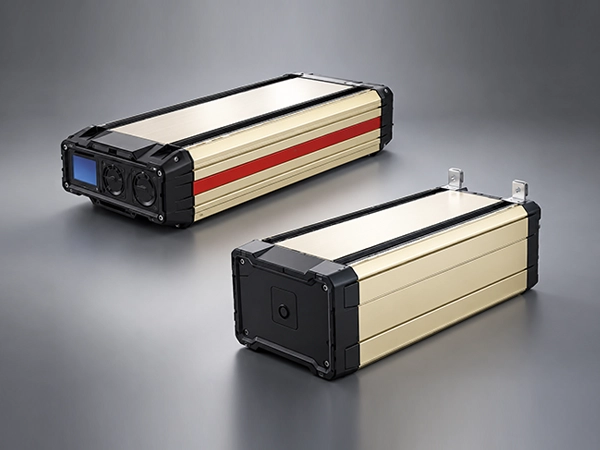
    • 48V 100Ah / 48V 50Ah battery packs
    • Portable power packs (51.8V / 90Ah)
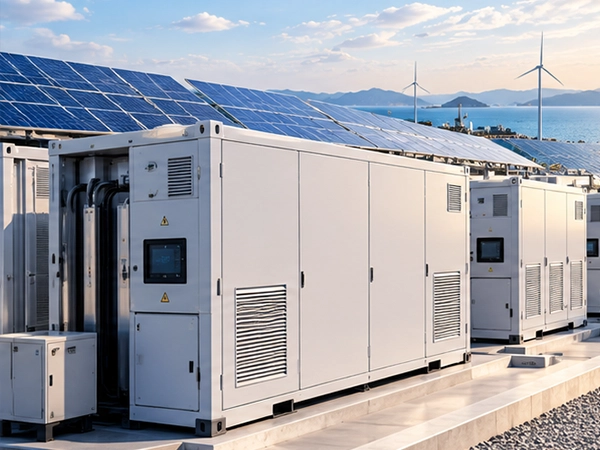
    • 1MWh class battery systems
    • BMS peripherals (DC/DC converters, chargers, isolators)
PORTABLE BATTERY

Portable Battery Module & Pack Development

A waterproof portable battery module and pack system built from second-life EV batteries.

3kWhP3kWh Portable WP-ESS

Configuration

Inverter ModuleBattery Module

Product Specifications

ItemSpecification
Rated Capacity24V 2.64kWh
Output Voltage (DC)19.6 ~ 29.4Vdc
Output Current (DC)Max. 110A
Ingress ProtectionIP66 (Battery Module only)
Rated Output PowerAC 110V/220V 2.0kW (Peak: 3kW)
Output Voltage (AC)AC 110V / AC 220V (Select One)
Output Current (AC)Max. 27A (AC 110V), 13.6A (AC 220V)
Output Frequency50Hz / 60Hz (Pure Sine Wave)

Key Features

  • Molded structural design using impact-resistant materials
  • Waterproof and dustproof rating: IP66 / IPx5
  • Swappable battery pack structure for easy replacement with standard pre-charged packs (compatible with swap battery charging systems)
MOBILE FAST CHARGER

Mobile Fast-Charging System for Electric Vehicles

A 64kWh-class mobile fast-charging system utilizing second-life EV batteries, featuring a swappable battery pack mounting structure.

CategoryItemSpecification
OBC
(On Board Charger)
Input Voltage (AC) & Current160 ~ 525Vac, 40A
Second-Life BatteryCell Chemistry & CapacityNCM811 Pouch Type, 64kWh
OutputContinuous Output / Power Factor50kW / 0.98
Charging ProtocolSAE J1772 (Type 1)
BATTERY SWAPPING STATION

Battery Swapping Station (BSS)

We develop swappable battery packs based on second-life batteries and a BSS (Battery Swapping System) for delivery riders' electric motorcycles, aiming to lower supply costs.

2022 Government-Funded Project
  • Standardized Charging Stations for Diverse Mobility The same detachable battery is shared across golf carts, electric motorcycles, 1-ton refrigerated trucks, and camping power units, improving efficiency in management, resale, and reuse.
  • Solar-generated power is stored and used on the move, reducing costs and contributing to carbon neutrality.
  • Riders simply swap the battery and get back on the road without waiting to charge.

Development Process

  1. EV Battery Intake
  2. Pack Disassembly & Module Recovery
  3. Module Performance Testing
  4. BMS/BIS Design & Fabrication
  5. Second-Life Battery Pack Design & Fabrication
  6. BSS Charging Station & Onboard Module Design & Fabrication
  7. Performance Verification
DISTRIBUTED POWER SYSTEM

Distributed Power Supply System

  1. GENERATE
  2. STORE
  3. SUPPLY
  • 01

    Wind Power

    • Variable-pitch blade technology
    • Load reduction in high winds
    • Enhanced reliability & durability
    • Efficient energy capture
  • 02

    ESS

    PCS · Battery System · BMS

    • Energy storage
    • Power stabilization
    • Peak shaving
    • Emergency power
  • 03

    EMS

    • Real-time monitoring
    • Energy optimization
    • Power forecasting
    • Remote control
    • Data analytics

Applications

Industrial FacilitiesIslands & Remote AreasInfrastructureMicrogridsEV ChargingEmergency PowerSmart Cities